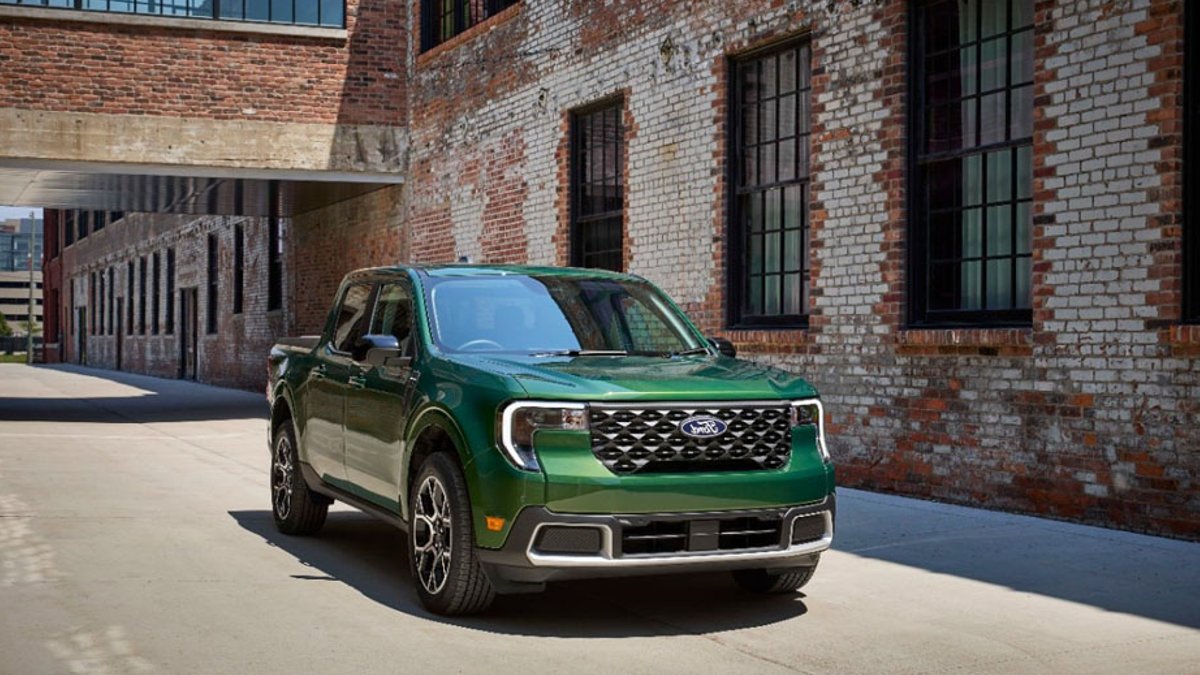
Ford’s two compact pickups—the Maverick and Ranger—fill distinct roles despite sharing dealership space. The Maverick excels in urban mobility and light tasks, while the Ranger delivers heavier towing and off-road performance. The decision between them depends entirely on individual driving needs rather than which model is objectively better.
Design Philosophy Drives Key Differences
The Maverick adopts a unibody construction akin to a crossover SUV, ensuring smoother rides on paved surfaces and greater ease in tight parking spaces. In contrast, the Ranger employs a traditional body-on-frame architecture, identical to full-size trucks. This design choice enhances stability when loaded or off-road but results in a rougher highway experience.
Real-world examples highlight these trade-offs. At an Illinois Ford dealership, inventory data shows the Maverick positioned for efficiency and affordability, while the Ranger emphasizes capability and ruggedness. The Maverick measures nearly a foot shorter, simplifying navigation through congested urban areas. The Ranger, with its extended wheelbase and heavier frame, provides a more composed feel when carrying loads or traversing uneven terrain.
Fuel Economy Versus Performance
Daily commuters benefit most from the Maverick’s hybrid powertrain. Combining a 2.5-liter four-cylinder with an electric motor yields approximately 40 miles per gallon in city driving for front-wheel-drive versions. The 2.0-liter EcoBoost alternative delivers increased power and standard all-wheel drive, though at the expense of fuel efficiency.
The Ranger follows a more conventional path, with its 2.3-liter EcoBoost engine achieving combined ratings in the low 20s. Higher-tier models, including the 2.7-liter V6 or Raptor, prioritize capability over mileage, with fuel economy declining in proportion to their performance output. Drivers who operate primarily below 45 miles per hour will find the Maverick Hybrid particularly advantageous. Those with highway-centric routines will see the efficiency gap shrink, though the Ranger remains less economical by design.
Urban drivers gain the most from the Maverick’s hybrid system, as gasoline engines waste the most fuel during stop-and-go traffic. The electric assist mitigates this inefficiency effectively. The Ranger, however, targets buyers who require towing capacity over fuel savings.
Towing and Weekend Utility
When towing becomes necessary, the Ranger holds a decisive advantage. Its maximum towing capacity reaches 7,500 pounds with the appropriate package, while the Maverick tops out near 1,800 pounds. The Ranger’s longer bed and deeper cargo area accommodate heavy or bulky items, from tools to recreational equipment. The Maverick’s FLEXBED offers adjustable dividers and power outlets for organizing smaller loads, though it cannot match the Ranger for serious hauling tasks.
Weekend activities often determine the better choice. Owners who tow mid-size trailers, boats, or heavily loaded equipment even occasionally will likely favor the Ranger. The Maverick suits lighter trailers, small campers, or jet skis. Off-road variants like the FX4, Tremor, or Raptor expand the Ranger’s versatility in rough conditions, while the Maverick remains limited to basic light-duty trails.
Cabin Comfort and Ownership Costs
Both trucks accommodate five passengers and provide usable rear seats, but their interior approaches differ. The Maverick emphasizes practical storage with deep door pockets, under-seat bins, and durable materials resistant to daily wear. The Ranger delivers a quieter cabin on rough roads and offers higher-end trims featuring leather upholstery and premium audio systems. Both incorporate Ford Co-Pilot360 driver-assistance technology, though the Ranger provides larger display options and a more contemporary dashboard layout.
Pricing and long-term expenses further distinguish the two models. The Maverick enters the market in the high $20,000 range, positioning it as one of the most budget-friendly new pickups. The Ranger begins several thousand dollars higher, with well-equipped versions or the Raptor extending well beyond that threshold. Over five years, the Maverick’s fuel savings can offset its lower initial cost for drivers with high annual mileage. The Ranger’s stronger resale value justifies its premium only if its additional capabilities are used frequently.
Exact configurations vary significantly by trim level, options, and regional pricing. A fully equipped Ranger can approach the cost of a lightly optioned F-150, whereas a loaded Maverick remains substantially cheaper than most full-size trucks.


