Picture yourself scrolling through used cars in San Antonio. One listing is a 1999 domestic sedan. Another is a 1999 Japanese sedan with the steering wheel on the right side. Same year, similar price, similar mileage in the ad. The paperwork behind them, though, is almost nothing alike, and that gap is where buyers run into trouble.
Why do used JDM cars for sale in San Antonio need a different checklist?
A domestic car from the 1990s listed on Cars.com or Facebook Marketplace usually comes with a 17-character VIN and a Carfax report that shows title history, accidents and service records. A Japanese domestic market car does not follow that pattern. Japan uses a frame number, typically 9 to 12 alphanumeric characters long, that identifies the model and serial number, and Carfax notes that a JDM car’s history won’t show up on a U.S. Carfax report. So the report you rely on for a domestic car simply isn’t there.
That means the checks have to come from other places. If you’re comparing used JDM cars in San Antonio, look at a local dealer’s JDM cars and kei trucks for sale the same way you’d look at any seller’s listing. JDM Drive lists each car with a stock number, year, model, drivetrain, mileage and photos, and says its inspectors in Japan examine each vehicle before it ships. Ask for the same details in any listing, whether it comes from a dealer or a private party. Price and mileage can look identical on screen while the documentation underneath is completely different.
Beyond the basics, the rest of a listing is worth reading closely. San Antonio JDM listings commonly feature Toyota, Honda, Subaru, Mitsubishi and Mazda models alongside plenty of Nissans. Drivetrain labels such as RWD, AWD and 4WD matter for how a vehicle handles, and turbo or diesel engines change what you should inspect. Kei trucks such as the Honda Acty, Suzuki Carry and Daihatsu Hijet get the same auction sheet and odometer checks as a Nissan Skyline or a Toyota sedan.
What does a Japanese auction sheet tell you?
Many Japanese used cars pass through an auction before they reach an exporter. USS runs the largest used-vehicle auction in Japan across 19 auction sites, and its inspectors grade vehicles on a 10-grade scoring system built on their own inspection standards. The grade is printed on an auction sheet, and that sheet is the closest thing you’ll get to a history report for a JDM vehicle.
The grades are worth knowing. A grade 4 car has under 150,000 km, an interior rated C or better, and some conspicuous scratches, dents, rust, burns or tears. R and RA grades mark repair history, meaning the frame, members, pillars or floor panels were replaced, repaired or needed repair after an accident or disaster. Grade 1 flags a vehicle with a flood history or one sprayed with a fire extinguisher. Grade 2 marks low commercial value, including corrosion holes in the frame or floor, or severe underbody rust from seawater.
Ask the seller for the original sheet and a translation. If they can’t produce them, treat that as a warning sign. A vehicle graded R, RA, 1 or 2 is not automatically a bad buy, but you should know what you’re buying before you pay.

Kilometers or miles: how should you read the odometer?
Japanese vehicles record distance in kilometers, and most U.S. listings convert that to miles. The conversion is simple: 1 kilometer equals 0.621371 miles according to NIST. So 100,000 km is about 62,100 miles, and 150,000 km is about 93,200 miles. Check that the mileage on the listing matches the figure on the auction sheet after conversion.
Tampering is a real concern, which is why the Nippon Auto Auction Association set up an odometer and inspection control system in 2001. It aggregates vehicle ID numbers and mileage across Japanese auctions, and it’s used to catch odometer tampering and confirm flood and repair history. Consistent records across auctions are reassuring. A sudden drop in recorded distance is not.
Federal rules work differently for older vehicles. Under the federal odometer disclosure exemptions, a vehicle of the 2010 model year or older is exempt from mileage disclosure at transfer once at least 10 years have passed since January 1 of its model year. A 25-year-old import, like any domestic vehicle of the same age, falls under that exemption, so the title transfer won’t carry a mileage statement. That makes the auction sheet record more important, not less.
Which wear items matter more than the number on the dash?
At 25 years or more, age matters as much as distance. Rubber hoses, bushings, seals and belts all degrade whether the vehicle has been driven hard or hardly at all. A low odometer reading tells you little about whether the rubber has held up. Turbo engines, common on 1990s Nissan and Toyota sports models, add turbo hoses and intercooler piping to the parts you should inspect.
Timing belts deserve special attention. The Nissan RB26DETT, the engine in the Skyline GT-R, drives its camshafts with a toothed timing belt, and it’s an interference engine, which means a belt failure can let the valves contact the pistons. Ask for receipts showing the last timing belt and water pump job. If there’s no proof, assume the work hasn’t been done and factor that into your offer.
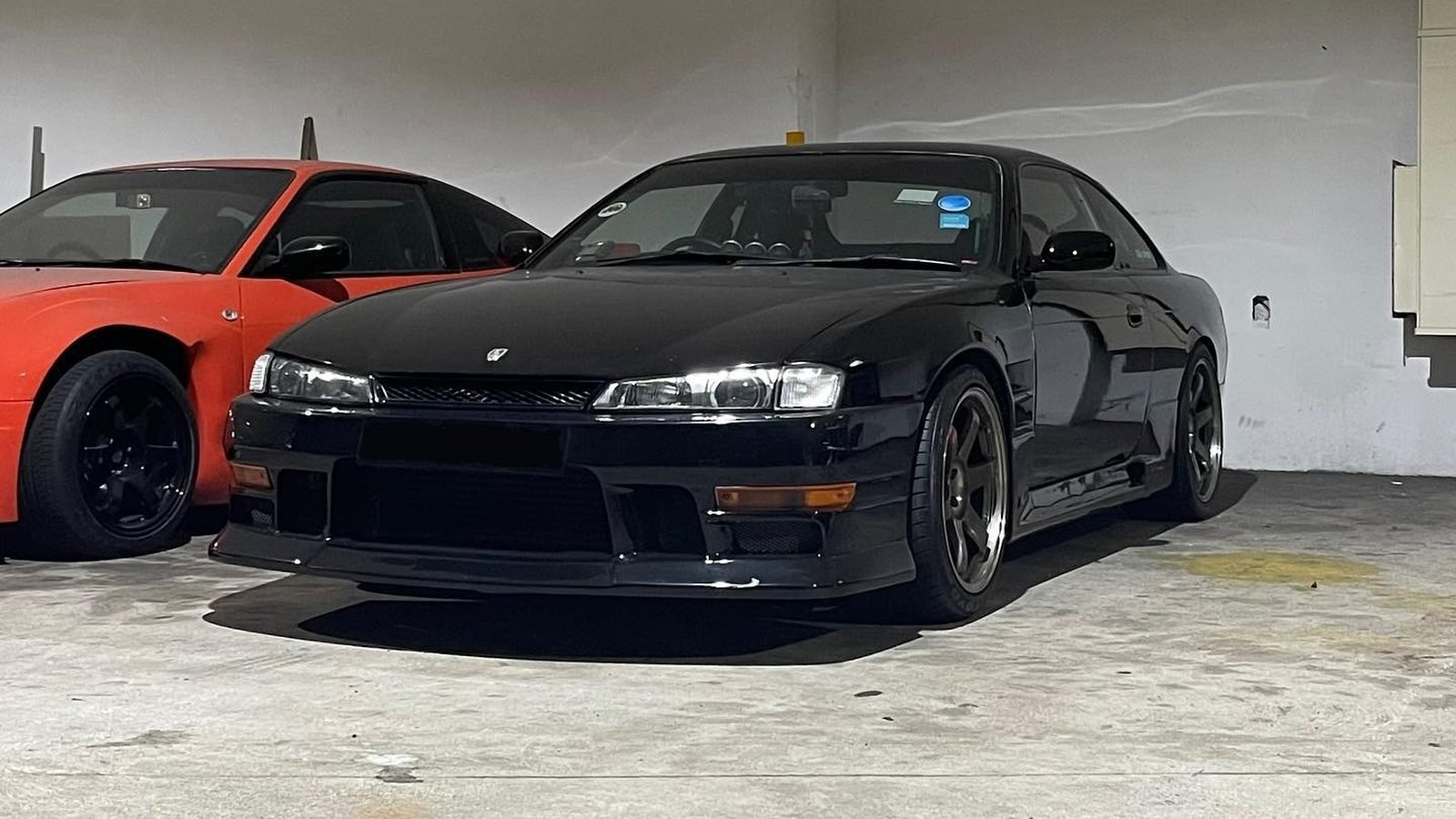
Modified vehicles need a list too. Aftermarket wheels, body kits and suspension changes are common on cars like the Nissan Silvia, and they can hide what’s underneath. Ask what was changed, when, and whether the original parts were kept.
How do Texas title, registration and inspection work for a JDM import?
TxDMV says an imported vehicle must meet all federal and state importation requirements before it can be titled or registered in the state. The buyer must title the vehicle in their name within 30 days of purchase to avoid delinquent transfer penalties, and register it within 30 days of bringing it into the state. Those deadlines start running quickly, so plan the paperwork before the vehicle arrives.
Inspections depend on location and age. In Bexar County, emissions inspections began November 1, 2026, and a passing test is required to register gasoline vehicles 2 to 24 years old. A vehicle that is 25 or older sits outside that window. Non-commercial vehicles registered in Bexar County don’t need a safety inspection, but they still need a passing emissions inspection when subject to one.
Ask the seller first whether the vehicle already has a title or only Japanese export papers. A vehicle with only export papers needs more work before it has a clean title in your name, so don’t assume the title is sorted just because the listing says so.
Can a right-hand-drive JDM car be your daily driver in San Antonio?
Antique plates are tempting for an older import, but they don’t solve the daily-driver question. Under Section 504.502 of the Texas Transportation Code, antique plates are for vehicles at least 25 years old that are collector’s items, used exclusively for exhibitions, club activities, parades and other functions of public interest, and not used for regular transportation. If you plan to drive the vehicle to work every day, you need regular registration.
Right-hand drive takes some getting used to. Drive-thru windows and parking-garage ticket machines sit on the wrong side. Passing slow traffic on two-lane roads needs more care because your view of oncoming traffic is different. A passenger who can help you watch for hazards is useful for the first few weeks.
Here is how the two kinds of purchase compare:
| Check | Used domestic car | Used JDM import |
|---|---|---|
| History | Carfax report | Auction sheet and translation |
| Identification | 17-character VIN | Frame number, 9 to 12 characters |
| Mileage | Miles, read straight off the odometer | Kilometers, converted to miles on the listing |
| Title status | Usually a Texas or other U.S. title | May arrive with Japanese export papers only |
Treat the paperwork as the real inspection. The engine can look fine on the day you test-drive it, but the auction sheet, the title status and the timing belt receipts will tell you whether the vehicle is worth the money.


