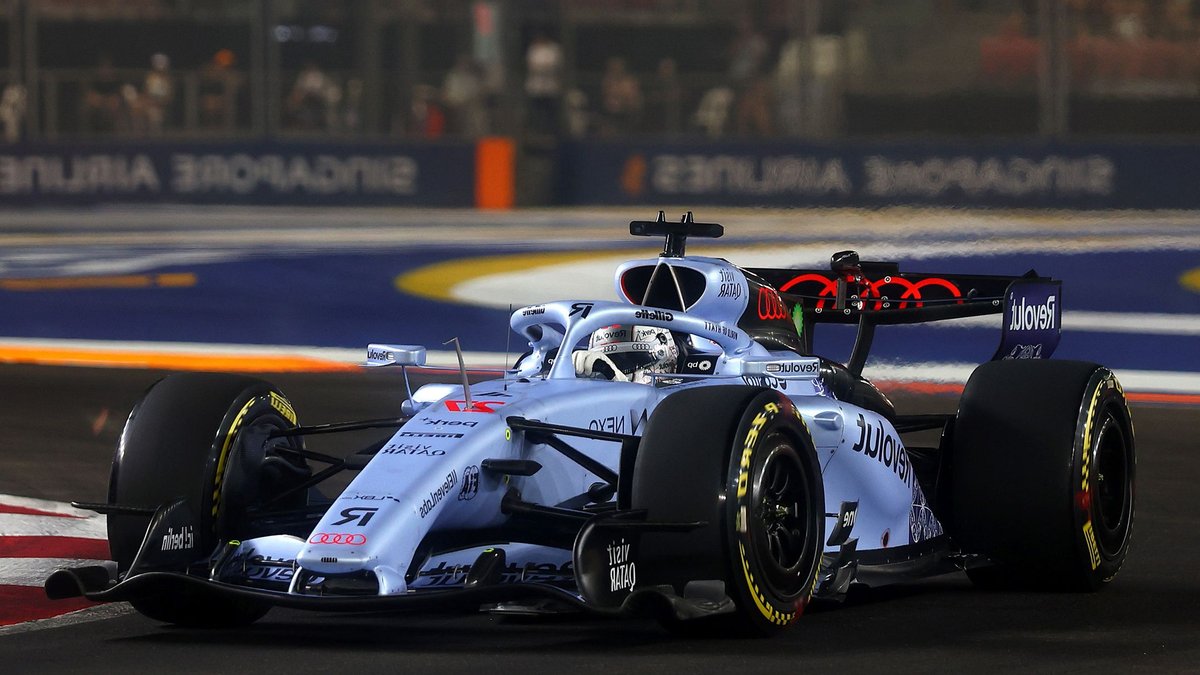
The old motorsport saying, “Win on Sunday, sell on Monday”, is getting a modern twist. Once, race cars and road cars shared designs, making it easy to link track victories to showroom sales. Today, that connection is less clear.
In Formula 1, the gap between race cars and road models is vast. Teams like Red Bull Racing, despite using Ford power, don’t even carry a car brand name. The relevance of that old mantra in 2026 is now in question.
Activations over victories
For the new Audi F1 Revolut team, wins are not guaranteed. The team sits eighth on the grid, with their best finish being eighth place. Yet, their focus isn’t solely on podiums. Stefano Battiston, the team’s chief commercial and brand officer, explains that success now hinges on activations and engagement, not just race results.
At the Singapore Grand Prix, Audi showcased this approach. They unveiled a special livery blending Chinese, Malay, and European influences, reflecting Singapore’s culture. This design appeared on their cars, drivers’ suits, and even inspired a limited-edition gelato called ‘Gabico’, named after drivers Gabriel Bortoleto and Nico Hülkenberg.
For fans far from the track, a planned community run sponsored by Adidas offered another way to connect. Although canceled due to air quality, such initiatives show Audi’s strategy: creating emotional connections between the team and fans, regardless of race outcomes.
The Evolving Link Between Racing and Sales
Homologation rules in NASCAR now make it hard to distinguish brands on the track. This shift raises questions about the “Win on Sunday, sell on Monday” theory’s relevance in 2026.
Read Also: Ford F-150 Offers 26 Trim Levels for Buyers
Selling without winning
Battiston notes that while winning helps, it’s not essential for sales. The focus is on storytelling and reaching diverse audiences. The Netflix series Formula 1: Drive to Survive has played a key role in this growth, drawing new viewers with its behind-the-scenes drama. Battiston’s team leverages this by creating compelling narratives across platforms, from social media to merchandise.
As Formula 1 expands its global reach, with backers like Disney and Gucci, teams like Audi are redefining success. It’s no longer just about crossing the finish line first. It’s about creating lasting connections long after the race ends.
Data-Driven Decisions
Battiston’s team operates like a race team, relying heavily on data. They analyze social media metrics, activation participation, and merchandise sales to maximize the Audi F1 Revolut team’s exposure.
After each race, they review the data to identify successful strategies and areas for improvement. This approach ensures their efforts are constantly refined and optimized.
Expanding the Fanbase
The team recognizes the importance of reaching beyond traditional race fans. Their collaborations with brands like Adidas and Birds of Paradise gelato aim to engage new audiences through unique experiences.
The focus on narrative-building is evident in their social media approach. By leveraging various platforms and content types, they aim to reach diverse audiences, from fashion enthusiasts to fans of the drivers’ personal lives.


