
Alternatively, here’s another option that’s a bit more direct:
“Prevent Post-Holiday Car Consumption Surge
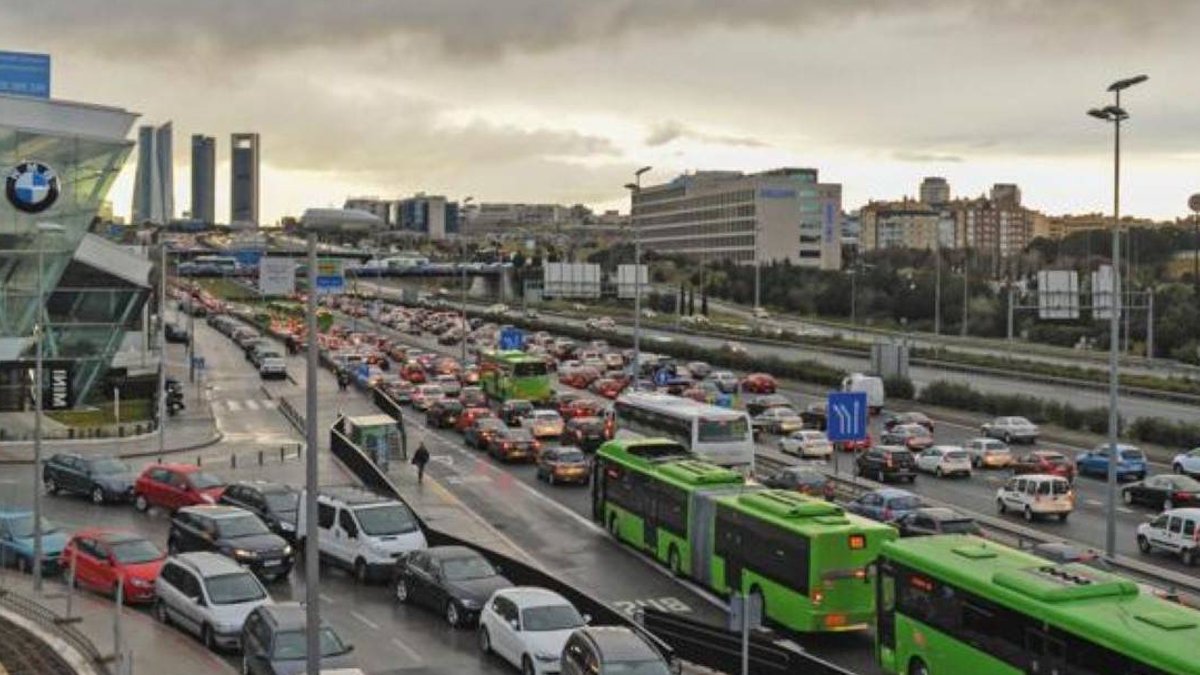
With summer holidays coming to an end, Spanish roads witnessed a significant increase in traffic, marking the return to rush hour commutes. As commuters headed back to work, their vehicles transitioned from smooth highway cruising to the urban grind of frequent stops, short gears, and repeated starts. This shift resulted in a substantial 30% increase in average fuel consumption, transforming the first week of September into a financial challenge for drivers.
Urban Driving Mistakes That Spike Fuel Consumption
In heavy traffic, every late acceleration and abrupt brake has a direct impact on a vehicle’s efficiency. Identifying and correcting these common mistakes can help drivers save money from their very first commute:
Related: Home EV charging costs and power requirements explained
- Harsh acceleration and sudden starts from a stop: Starting gently and shifting to second gear within a few meters not only saves fuel but also reduces wear and tear on the vehicle’s components.
- Overuse of low gears in slow traffic: Using third or fourth gear at low RPMs whenever traffic allows it helps maintain momentum and reduces the need for frequent gear changes, saving fuel.
- Air conditioning set below 20°C: Setting the temperature to 22°C – 24°C avoids overloading the compressor, which consumes more energy when working harder to maintain a lower temperature.
- Accumulated residual load from holidays: Emptying the trunk of unnecessary items such as beach gear, umbrellas, and unused luggage can significantly improve fuel efficiency by reducing the vehicle’s weight.
Efficient Driving Tips for Daily Commutes
To offset the increased fuel costs of morning rush hour, the key is not to drive slower, but smoother, more anticipatory, and cleaner:
- Smooth and distant vision: Instead of focusing on the car directly ahead, looking three or four cars ahead helps anticipate traffic flow. This allows drivers to lift their foot off the accelerator in time, reducing fuel consumption to zero during brief stops and minimizing the need for harsh braking.
- Use of inertia: Maintaining a constant, reduced speed in traffic and avoiding stopping the car whenever possible saves significant energy. Starting a heavy vehicle from a complete stop requires a lot of engine effort, so minimizing these instances can lead to substantial fuel savings over time.
- Proper use of vehicle technology: Stop&Start systems, designed for prolonged stops at lights or in heavy traffic, help prevent unnecessary idle fuel consumption. Letting the system work when stopped for more than 60 seconds can save a considerable amount of fuel.
Beyond driving technique, the condition of one’s vehicle after summer trips directly impacts its performance on the first day back to work. Ensuring proper tire pressure and cleaning the windshield and wipers not only improves safety but also enhances fuel efficiency. With these adjustments, drivers can minimize the financial impact of the post-vacation commute.


