
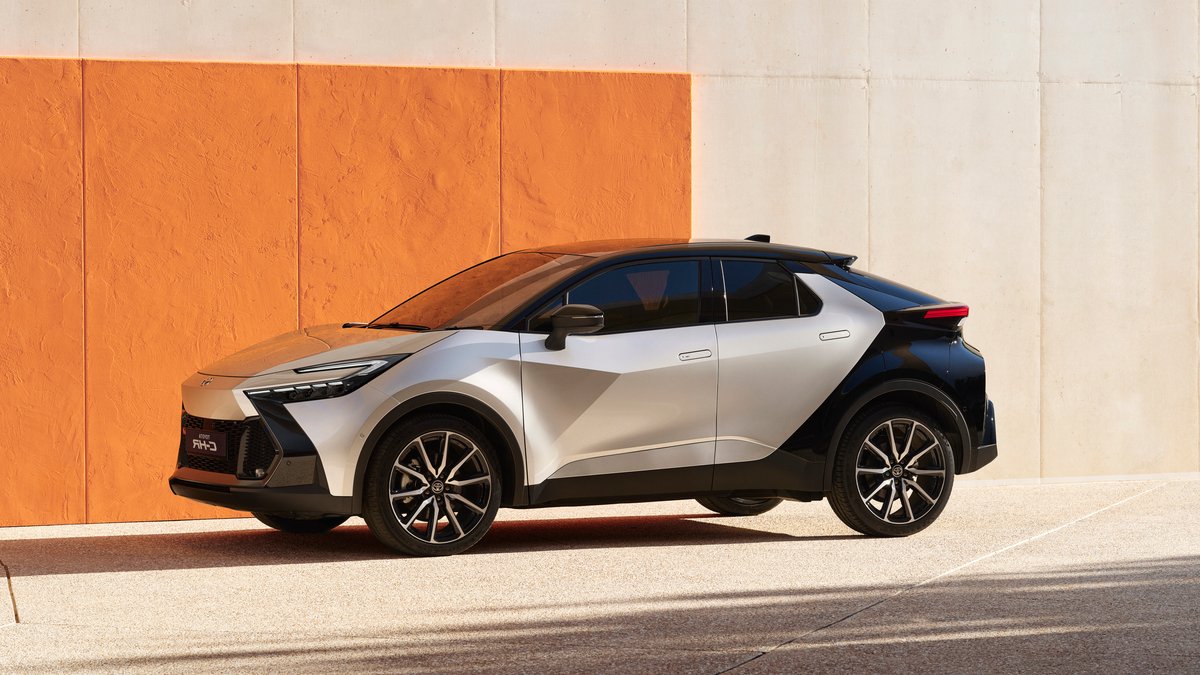
Hybrid vehicles remain a central topic in New Zealand’s evolving car market, particularly non-plug-in hybrids, known as HEVs. These vehicles blend a traditional petrol engine with a small battery pack and an electric motor, offering improved fuel efficiency without sacrificing convenience or driving range. Unlike plug-in hybrids, HEVs recharge their batteries through regenerative braking and engine power, eliminating the need for external charging. DRIVEN Car Guide has compiled a list of every hybrid vehicle available in New Zealand, sorted from the lowest to highest price.
Hybrid Cars in New Zealand: A Complete 2026 Guide
The MG3 holds the title of New Zealand’s cheapest full hybrid, priced between $30,990 and $33,990. It features a 1.5-litre petrol engine paired with a hybrid electric system, delivering 155kW of combined power and achieving a fuel consumption rate of just 4.3 litres per 100 kilometres. Available in Excite and Essence trims, the Essence adds features like a 360-degree camera, LED lights, and keyless entry.
Following closely is the Chery Tiggo 4 hybrid, priced from $32,990 to $37,990. This compact SUV uses a 1.5-litre petrol engine alongside an electric motor producing 150kW. With a fuel efficiency rating of 5.4L/100km, it stands as one of the most affordable hybrid SUVs in the market. The Haval Jolion HEV also competes in this segment, starting at $32,990 and offering a 1.5-litre petrol engine with hybrid technology, consuming just 5.1L/100km.
Toyota’s Yaris hybrid rounds out the entry-level offerings, with prices ranging from $33,590 to $40,590. Powered by a 1.5-litre three-cylinder engine and hybrid system, it delivers impressive fuel economy at 3.3L/100km. Available in GX and ZR trims, the Yaris represents Toyota’s commitment to hybrid-only models in New Zealand.
The MG ZS Hybrid+ enters the market at $34,990 to $38,990, combining a 1.5-litre petrol engine with a 1.83kWh battery. This model produces 158kW and 465Nm of torque, offering strong performance with a fuel consumption of 5.2L/100km. Available in Excite and Essence trims, it maintains consistency with MG’s broader lineup.
Toyota’s Corolla hybrid, now in its second generation, ranges from $37,690 to $45,190. Featuring a 1.8-litre petrol engine and hybrid system, it offers three trims: GX, SX, and ZR, with fuel consumption at 4.2L/100km. Honda’s Jazz e:HEV, priced between $36,700 and $42,000, uses a unique system where the petrol engine acts primarily as a generator, powering the electric motor that drives the wheels.
The Toyota Yaris Cross hybrid, starting at $39,690 and going up to $47,190, builds on the Yaris platform with increased ground clearance and practicality. It shares the same powertrain as the Yaris hatch, consuming 3.8L/100km. The Haval H6 hybrid, priced from $40,990 to $47,490, offers more power with a 1.5-litre engine producing 179kW and 530Nm of torque, available in both FWD and AWD configurations.
The Alfa Romeo Tonale, priced at $43,990 to $47,990, takes a different approach with its 0.8kW battery system, qualifying it as a hybrid despite its small electric capacity. Producing 118kW and 240Nm, it consumes 5.6L/100km. Meanwhile, the BAIC B30 hybrid, ranging from $47,990 to $52,990, combines a 1.5-litre engine with hybrid technology, offering both 2WD and AWD options with a fuel consumption of 6.3L/100km.
Hybrid Technology and Model Variations
The refreshed-for-2024 Jolion HEV comes in Premium, Lux or flagship Ultra specifications, with upgrades extending beyond the powertrain to include different styling and multi-link rear suspension instead of the torsion beam. Toyota’s Yaris received several generational leaps with its 2020 launch, featuring a new platform, new technology, and hybrid powertrain option for the first time in New Zealand, now offered as hybrid only.
Toyota’s Corolla hybrid is now in its second generation, with improvements and expanded model range from 2018 offering less power but better efficiency. Honda’s revised range is dominated by e:HEV technology, with the ICE-only entry-level Life version dropped and the SUV-like Crosstar remaining as the only pure-petrol model. The Honda e:HEV lineup includes a more powerful hybrid in the Luxe Sport (formerly Luxe) and a new RS model, plus a dressed-up RS Mugen version.
Upper-Mid-Range Hybrid Models Expanding Options
The MG HS Hybrid+ slots in between the ZS and larger MG models, priced from $44,990 to $48,990. It uses a 1.5-litre petrol engine paired with hybrid system, producing 165kW and 340Nm combined. Fuel consumption sits at 5.8L/100km under 3P-WLTP testing. Both Excite and Essence trims share the same powertrain setup, maintaining MG’s Hybrid+ branding across its lineup.
Toyota’s Corolla Cross hybrid starts at $44,990 and climbs to $55,990. It runs on a 2.0-litre petrol engine with hybrid assistance, delivering 146kW and 188Nm. Consumption ranges from 4.1L to 4.6L per 100km depending on drivetrain choice. The range includes GX, GXL, Limited, and GR Sport models. The GR Sport stands out as the only variant with rear-wheel drive capability.
Honda’s HR-V hybrid spans $43,700 to $47,900 across L, LX, and RS trims. Its 1.5-litre petrol engine pairs with e:HEV technology, producing 78kW from the engine and 96kW from the electric motor. Combined consumption averages 4.3L/100km. The RS variant adds body kits and upgraded interior finishes to distinguish it from lower trims.
Premium and Performance-Oriented Hybrids
Hyundai’s Kona Hybrid ranges from $45,990 to $59,990, covering Active to N Line specifications. Under the bonnet sits a 1.6-litre direct-injection petrol engine with a 1.32kWh battery and electric motor. Total output reaches 104kW and 265Nm, with a 6-speed automated dual-clutch transmission. Fuel economy is rated at 4.3L/100km.
Kia’s Sportage hybrid-only line runs from $45,990 to $60,490. Combined output totals 77kW and 144Nm from the engine, plus 32kW and 170Nm from the electric side. A six-speed dual-clutch transmission handles gear changes, with consumption at 4.4L/100km.
The facelifted Peugeot 208 GT arrives in New Zealand exclusively as a hybrid. It features a 48-volt power system with an electric motor integrated into the transmission. Output matches the previous internal-combustion model, but fuel consumption drops by 1.4L/100km. Visual updates include additional LED “claws” in the front bumper and a body-coloured grille borrowed from the electric version.


