
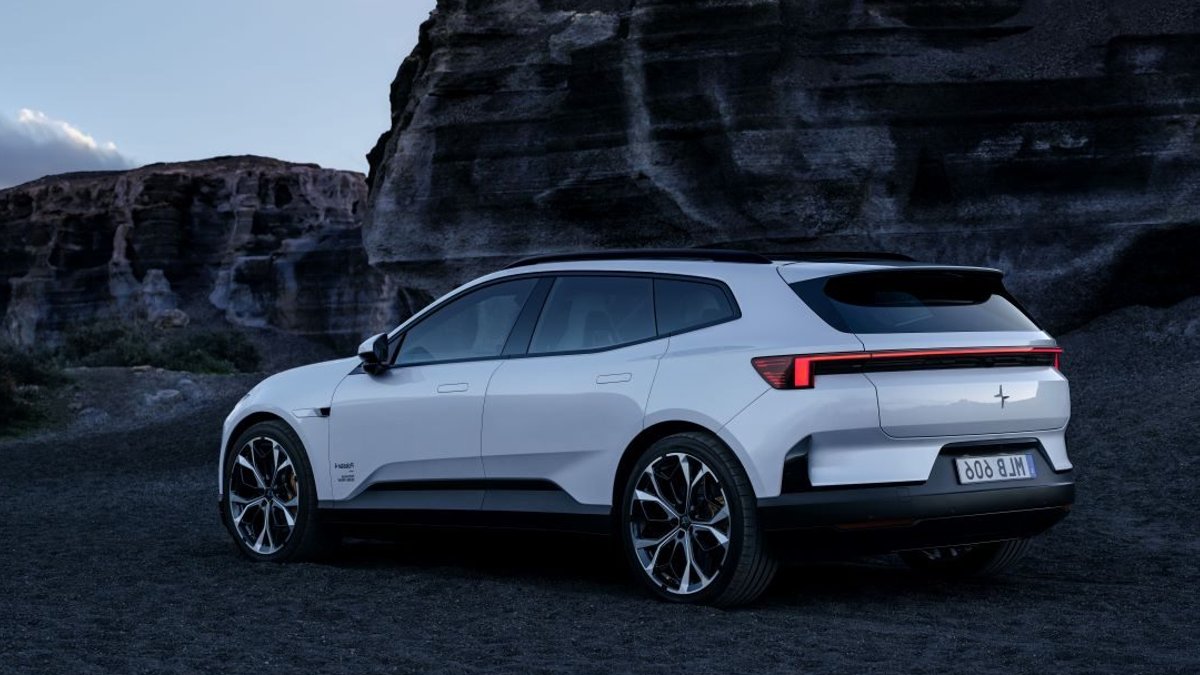
The new Polestar 4 SUV introduces a more practical design philosophy to the brand’s lineup, specifically targeting buyers who prioritize cargo space and visibility over a sleek, fastback profile. While the original model eschewed a traditional rear window for a camera and screen, the SUV version restores a conventional rear glass and a standard mirror. This change creates a more practical vehicle for families and travelers, offering better visibility and a larger opening for loading gear. The design shift is intended to make the car more suitable for vacations and outdoor activities, where ease of access is key. It marks a distinct departure from the coupe variant, which keeps the unique camera‑based rear view system as an option for consumers who prefer that specific setup.
It appeals to families and outdoor enthusiasts.
Powertrain and Performance Options
The vehicle will be offered with two mechanical configurations. The base version features a single electric motor on the rear axle, delivering 272 horsepower and a maximum WLTP range of 630 kilometers. Above this sits the Dual Motor variant, which uses two electric motors to provide all‑wheel drive and 544 horsepower.
That setup accelerates from 0 to 100 km/h in roughly 3.9 seconds and reaches an estimated range of 600 kilometers. Both models rely on a 102 kWh battery pack and a 400‑volt architecture, supporting a charging rate of up to 200 kW. For sharper handling, a Performance Pack adds chassis tuning, active dampers, Brembo brakes, and 22-inch wheels with Pirelli P Zero tires.
Related: Oil prices plunge over 5% after Trump decision
Vehicle‑to‑Load and Camping Features
One of the most useful additions is Vehicle‑to‑Load (V2L) technology. The system lets the vehicle act as a power source for external devices, delivering up to 3.3 kW of electricity. Owners can run camping equipment or electric tools while parked. The brand also introduces a Camping Mode that keeps the cabin climate‑controlled and allows certain convenience and entertainment features to stay active without the car being ready to drive. This capability turns the vehicle into a functional living space during stops.
Charging remains fast.
Technology and Pricing
The tech package receives an upgrade with Google Gemini, an AI‑powered assistant that replaces rigid voice commands with a natural conversational interface. Drivers can request complex travel plans or translations without memorizing specific prompts. The system aims to make interactions with the infotainment system less formal and more intuitive.
Pricing is set at 54,390 euros for the Rear Motor version and 58,600 euros for the Dual Motor version. Although the SUV costs a bit more than the coupe, the added practicality and features make the price understandable for many potential buyers.


