
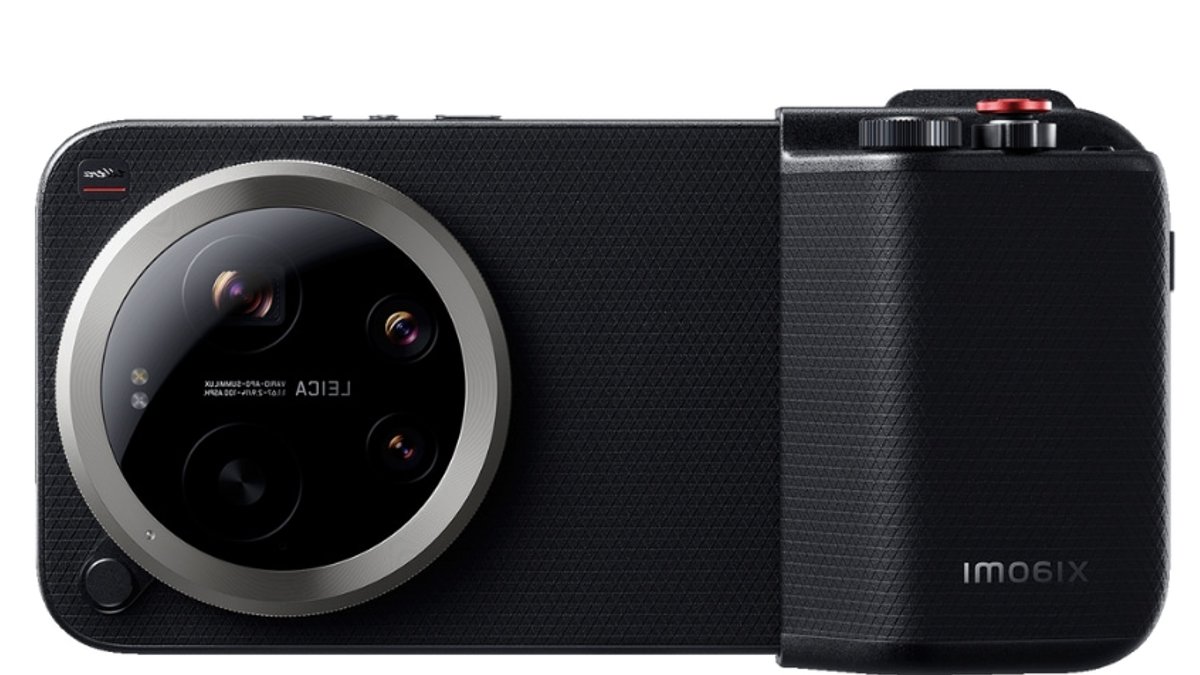
A Xiaomi 17 Ultra arrived in the mail last month, and for the first time in years, a smartphone prompted its photographer owner to reconsider carrying a dedicated camera. The experience was so compelling that it interrupted a long-standing habit: the automatic reach for a proper camera whenever high-quality images were required.
The phone’s influence was immediate. After years of transporting lenses and accessories, the user found themselves relying on the device because its output matched what a mirrorless camera could deliver. That change—from necessity to preference—highlighted the gap between a capable phone and one that could replace much of a photographer’s gear.
The camera system that transforms mobile photography
The foundation of this shift lies in the hardware. The Xiaomi 17 Ultra features a 50-megapixel one-inch LOFIC sensor paired with Leica-designed Summilux optics. The sensor’s size delivers dynamic range, highlight retention, and tonal control that smartphone cameras typically cannot replicate. In bright sunlight, it preserves details in overexposed areas without losing information. In low light, it captures usable data far beyond what most phones achieve. At night, the performance exceeds expectations for a mobile device.
However, the hardware alone does not explain the results. Xiaomi’s computational photography, how the phone processes raw data, is where the true advancement occurs. The software handles high-contrast scenes, mixed lighting, and inconsistent color temperatures effectively, producing images that do not appear to come from a phone camera. The 200-megapixel-equivalent telephoto lens is not merely a marketing stunt. Its large sensor for a smartphone telephoto ensures sharpness even at maximum zoom, while Leica color profiles provide creative flexibility. For someone photographing cars or people, the ability to compress scenes and isolate subjects, something impossible with a wide-angle lens, turns the phone into a composition tool rather than just a point-and-shoot device.
Read Also: Bullet 650 blends modern power with old-school charm
Cooling System, Battery Performance, and Rugged Build
Xiaomi has added an independent cooling system to the camera module, a first for a smartphone. The system keeps temperatures down during prolonged high-resolution or high-frame-rate video capture.
The device uses Xiaomi Shield Glass 3.4, and the reviewer has operated it uncased for two months. It has withstood regular handling and earned IP66, IP68, and IP69 ratings despite the sizable camera module. GPS, along with Glonass and Baidu, delivers reliable location data, complemented by solid Wi-Fi performance and precision positioning hardware. In mountainous and hard-to-reach areas, the phone continued to function, tolerating the demanding conditions placed on it.
Protective accessories remain limited; available rugged, military-grade cases do not integrate well with the large camera assembly. The reviewer notes a desire for a broader ecosystem of cases and accessories, especially for Indian users. Audio recording features a pronounced bass-heavy, V-shaped signature, and the microphones perform well for casual content creation.
A photography kit that turns a phone into a system
The camera specifications would be impressive on their own, but the Photography Kit is what makes the Xiaomi 17 Ultra a viable alternative to a full camera setup. The kit includes a physical grip with shutter, focus, zoom, and recording buttons, effectively converting the phone into a handheld camera. The grip also contains a 2,000mAh battery, doubling the phone’s endurance during extended shoots.
More importantly for professional use is the 67mm filter adapter. The user immediately attached a circular polarizer (CPL) and neutral density (ND) filter, tools that simplify automotive photography. Cars reflect light from every surface, and a CPL reduces those reflections. The ND filter extends creative control for video, allowing slower shutter speeds in bright conditions without overexposing the shot. The result is a compact system that fits in a jacket pocket but delivers results comparable to a DSLR or mirrorless camera.
Read Also: Bajaj Launches Refined New Pulsar 125 and 150 in 2026
The impact extends beyond still photography. The Xiaomi 17 Ultra records 8K video, but its 4K at 120 frames per second is where it excels. The combination of large sensors, optics, processing, and stabilization produces footage suitable for professional use. Even more valuable is 4K 120fps LOG recording, which provides filmmakers with flexibility in post-production. For automotive work, this means capturing a moving car, slowing it down, and retaining detail, something that previously required high-end equipment. All of this fits in a pocket.
One persistent issue with powerful smartphone cameras is overheating. Most phones degrade in performance after prolonged use, with stabilization and processing suffering as temperatures rise. During extended outdoor shoots, under direct sunlight, in high-resolution video mode, the phone remains stable. The Snapdragon 8 Elite Gen 5 processor handles the workload without lag, even during demanding tasks like gaming or editing. While heat buildup occurs under extreme conditions, this is expected in a device packing this level of performance into a small form factor.
The display further reinforces the phone’s professional appeal. A 2K-class AMOLED panel with a 120Hz refresh rate, 12-bit color depth, and 3,500-nit peak brightness ensures accurate color grading, essential for photographers and videographers. The Pro Color mode enhances precision, though it lacks the resolution-scaling options some competitors provide. Given the improvements in battery life and cooling, this trade-off is minor.
There is also a practical limitation: case options in India are nearly nonexistent. Protecting a phone priced at this level should be straightforward, but available cases do not match the device’s rugged design. For a phone marketed as a serious tool, better accessories would have been expected.


